Outdoor spaces can serve many purposes beyond adding visual interest to a property. A well-planned yard can provide room for relaxation, outdoor dining, gardening, recreation, and gatherings with family and friends. With thoughtful improvements, homeowners can make their properties more comfortable, practical, and enjoyable throughout the year.
Homeowners don’t have to complete every improvement at once. Prioritizing projects based on available space, budget, and everyday needs can help make outdoor upgrades more manageable. By planning carefully and choosing features that support their lifestyles, homeowners can create a functional outdoor environment that remains useful and comfortable for years.
Creating a Cohesive Outdoor Layout
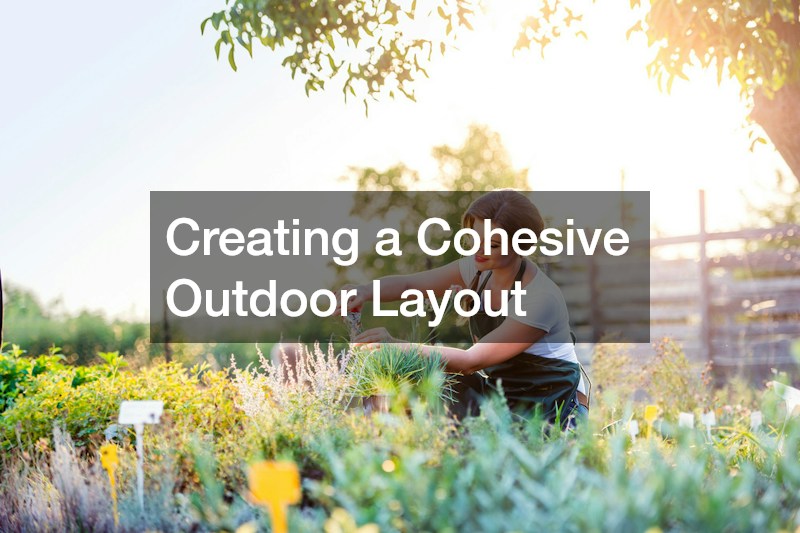
A cohesive outdoor layout helps different parts of a property work together. Instead of treating lawns, garden beds, walkways, and seating areas as separate features, homeowners can plan them as connected parts of a larger design. This can improve movement throughout the yard and make the property easier to maintain.
Begin by evaluating the existing space. Consider the location of doors, driveways, patios, and established trees. Observe where sunlight falls, where water collects after rain, and which areas receive the most foot traffic. These details can influence where to place plants, paths, and seating.
A landscape design company can help homeowners develop a layout that reflects their needs and the property’s conditions. A family that frequently hosts gatherings, for example, might benefit from seating near the house and clear paths to the yard. Someone who enjoys gardening may prefer accessible planting beds and convenient walkways.
Consistent materials and repeated plant varieties can connect different areas visually. Homeowners should also consider maintenance when selecting features. Choosing plants suited to the local climate and available sunlight can reduce ongoing work while helping the yard thrive.
Maintaining a Healthy and Attractive Yard
Regular yard maintenance supports healthy grass, shrubs, and ornamental plants while keeping outdoor areas usable. Neglected lawns can develop weeds, bare patches, and uneven growth, while overgrown plants can obstruct paths and make the property harder to manage.
A landscaping service can assist with mowing, edging, weeding, mulching, and seasonal cleanup. The appropriate schedule depends on grass type, weather, and plant growth. Removing fallen leaves and clearing walkways can also help keep outdoor areas tidy and accessible.
Watering practices play an important role in plant health. Grass and garden plants need sufficient moisture, but excessive watering can contribute to runoff and root problems. Homeowners should account for rainfall, soil drainage, and individual plant needs when setting a watering schedule. Mulch can help retain soil moisture and limit weeds around suitable plants.
Seasonal inspections can reveal damaged branches, clogged drainage areas, and signs of pests or plant disease. Choosing plants suited to local conditions may also reduce maintenance needs. With consistent care, homeowners can maintain an attractive yard without relying on elaborate features or constant upkeep.
Making the Most of Your Backyard Space
A backyard often needs to accommodate several activities, including outdoor dining, gardening, relaxation, and play. Dividing the space into practical zones helps these activities coexist without making the property feel crowded.
Start by identifying the household’s priorities. Families with children may need an open lawn and clear sightlines from the house. Homeowners who enjoy entertaining might prefer a patio with nearby seating, while gardening enthusiasts may want dedicated planting areas.
Backyard landscapers can help arrange features around the property’s dimensions, terrain, and existing structures. They might position seating in a shaded area or use shrubs to separate a garden from a recreational space. Clear pathways make it easier to move between areas without crossing muddy ground or navigating around furniture.
Storage is another important consideration. Weather-resistant benches, small sheds, and outdoor cabinets can provide space for tools, toys, and cushions without taking over the yard. Fencing, trellises, and shrubs can also improve privacy when neighboring homes are close together.
Before adding permanent features, assess drainage and accessibility. Areas that collect water may need attention before a patio or garden bed is installed. Planning for these practical concerns helps homeowners make better use of the available space.
Improving Water Efficiency With an Automated System
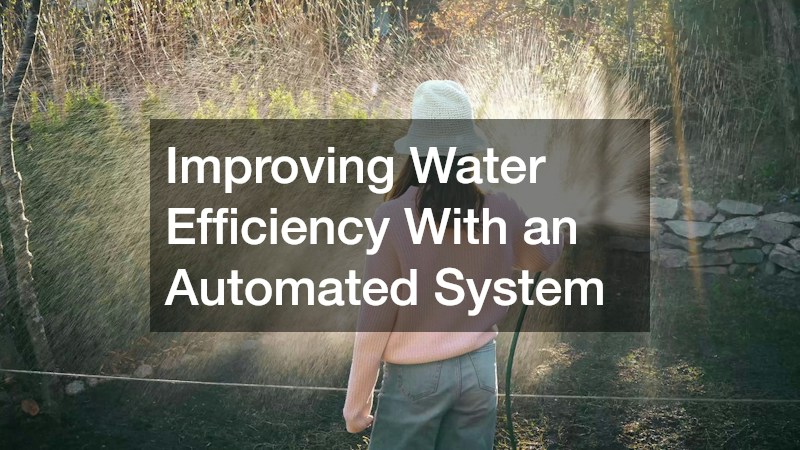
An automated irrigation system can simplify lawn care and help homeowners manage water use. Rather than watering every area manually, the system can deliver water to designated sections according to a schedule.
A custom lawn irrigation system should account for the property’s layout, soil type, slope, vegetation, and water pressure. Lawn areas may need sprinklers, while garden beds can benefit from drip irrigation that directs water toward plant roots. Separate zones allow homeowners to adjust watering based on the needs of different areas.
Some controllers use weather data or soil-moisture sensors to adjust schedules when irrigation isn’t necessary. Homeowners should still review settings as seasons change because water needs vary with rainfall, temperature, and plant growth.
Regular inspections help keep the system working properly. Misaligned sprinkler heads can send water onto pavement, while leaks and clogged nozzles can waste water or leave dry patches. Adjusting the system after rainfall and watering during cooler parts of the day can also help limit unnecessary water loss.
A properly planned irrigation system can make yard care more convenient while supporting healthier plants. Matching the system to the property’s actual needs helps balance convenience and responsible water use.
Adding a Pool for Recreation and Relaxation
A swimming pool can provide space for recreation, exercise, and relaxation. It can also become a central gathering place during warm weather. However, homeowners should consider the available space, construction requirements, maintenance, and safety before starting a project.
The pool should fit comfortably within the yard without eliminating every open area or interfering with other features. Homeowners need to account for surrounding decking, equipment access, drainage, and room to move safely around the water. Existing trees, underground utilities, and property boundaries may also affect placement.
A pool contractor can help evaluate the property and explain options for pool types, construction methods, filtration systems, and additional features. Lighting, steps, and built-in seating may improve usability, depending on the household’s needs and budget.
Ongoing maintenance should factor into the decision. Pools require regular cleaning, water testing, chemical balancing, and equipment inspections. Nearby trees that drop leaves or seed pods can increase cleaning requirements, so landscaping and pool placement should be considered together.
Safety is equally important. Appropriate barriers, secure gates, compliant drain covers, and required alarms can help reduce risks. Homeowners should check local building codes and pool safety regulations before construction. Children should always be supervised around water.
Careful planning helps homeowners determine whether a pool suits their lifestyle and whether the property can accommodate it without compromising other outdoor activities.
Planning a Pool Installation That Fits Your Property
Installing a pool involves decisions about size, shape, depth, materials, and placement. These choices should reflect the household’s needs, the property’s limitations, and the budget for construction and upkeep.
Begin by evaluating the installation site. Soil conditions, slopes, drainage, utility locations, and access for construction equipment can affect the project. Some properties require grading, excavation, or drainage improvements before installation can begin. Identifying these needs early can help limit unexpected changes.
A pool installer can explain the differences between common construction options. In-ground pools may use concrete, fiberglass, or vinyl liners, each with different installation requirements and design possibilities. Above-ground pools may suit homeowners seeking a different price range or a less extensive construction project.
The surrounding area also deserves attention. Decking or paving can provide space for loungers and tables, but materials should be appropriate for wet conditions and outdoor exposure. Homeowners should plan convenient access to pumps, filters, and storage for pool supplies.
Project timelines vary based on pool type, weather, permits, site preparation, and contractor availability. Before work begins, review the project scope, warranty terms, payment schedule, and responsibility for permits and inspections. Clarify which features are included in the estimate and which would cost extra.
Considering construction and everyday use together helps homeowners create a pool area that’s practical, accessible, and easier to maintain.
Protecting Your Property With Proper Tree Care
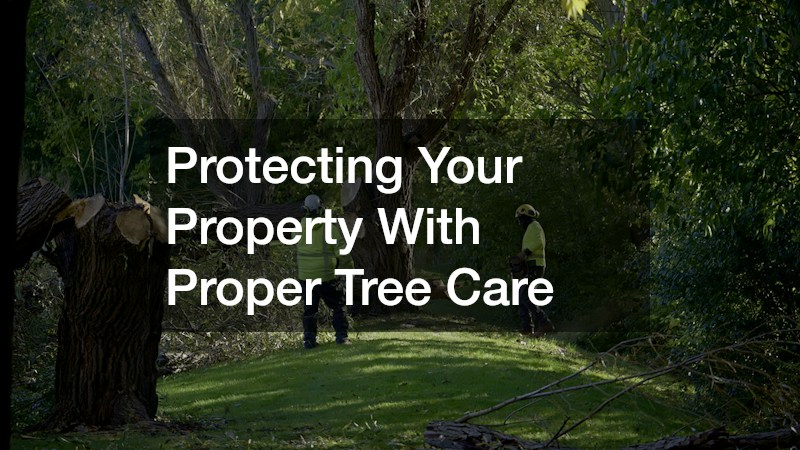
Trees provide shade, privacy, visual interest, and habitat for wildlife. They can also define outdoor spaces and make seating areas more comfortable. Maintaining their health helps preserve these benefits while reducing potential risks to people, buildings, and walkways.
A tree service can evaluate tree condition and recommend appropriate care based on species, age, location, and signs of damage. Inspections may reveal dead limbs, cracked branches, trunk injuries, root problems, or evidence of disease. Some concerns can be addressed through maintenance, while severely damaged or hazardous trees may require removal.
Homeowners should pay attention to trees growing near roofs, sheds, driveways, and frequently used paths. Branches that interfere with structures may need professional evaluation. Root problems also require care because cutting roots without understanding their role in the tree’s stability can cause damage.
Planting decisions can prevent future issues. Before adding a tree, consider its mature height, canopy width, and root growth. Keep expected size in mind when choosing locations near buildings, paved surfaces, and utility lines. Selecting a species suited to local conditions can support healthy growth.
Regular inspections can help identify some problems before storms arrive, although maintenance can’t eliminate every risk. Homeowners should never approach trees that have fallen onto power lines or appear unstable. Proper care helps preserve valuable trees while addressing potential hazards.
Keeping Trees Healthy Through Regular Pruning
Pruning can support tree health, manage growth, and reduce interference with nearby structures. It involves selectively removing branches to address specific needs, such as eliminating dead wood, improving clearance, or correcting certain growth problems.
Tree trimmers can identify branches that need attention and determine how to remove them without causing unnecessary damage. Dead, diseased, broken, or crossing branches may require removal. Branches obstructing walkways or contacting buildings may also need selective trimming.
The best pruning time depends on the tree species, its condition, and the purpose of the work. Some trees benefit from pruning during dormancy, while others require different timing to reduce disease risks or protect flowering. Species-specific guidance is more useful than applying one schedule to every tree.
Proper techniques matter. Cutting too close to the trunk can damage the branch collar, while leaving long stubs can interfere with healing. Removing too much of the canopy at once may stress the tree. Topping, which indiscriminately cuts back large branches, can also lead to weak regrowth.
Pruning tall or difficult branches can be dangerous, especially near electrical lines. Professionals have the training and equipment to assess hazards and complete the work more safely. Regular inspections help homeowners determine when pruning is necessary and preserve the tree’s structure over time.
Designing an Outdoor Space for Everyday Living
A functional backyard should support the activities homeowners enjoy most. A well-planned design can include places to eat, relax, garden, and entertain without making the yard feel overcrowded. The goal is to create a space that suits everyday routines rather than adding features that rarely get used.
Backyard design begins with understanding how people move through the property. A dining area near the house makes it easier to carry food outside, while a separate seating area can provide a quieter place to relax. Paths connect these zones and reduce wear on grass in frequently traveled areas.
Shade and weather protection can improve comfort. Homeowners might consider shade trees, umbrellas, pergolas, or covered seating, depending on sunlight and available space. Outdoor lighting can also improve usability after sunset by illuminating entrances, steps, and pathways.
Choose materials according to how each area will be used. Paths should provide stable footing, while surfaces near dining areas should accommodate furniture and foot traffic. Weather-resistant materials can reduce repairs and preserve the space’s appearance.
Plants can provide privacy, attract pollinators, and add greenery to patios or garden beds. Homeowners should account for mature plant sizes and care requirements before choosing locations. Storage and drainage also deserve attention because clutter and standing water can reduce the usefulness of an outdoor area.
Planning these details from the beginning can create a backyard that’s comfortable, organized, and easier to maintain throughout the seasons.
Expanding Your Living Space With a Durable Deck

A deck provides a dedicated area for outdoor dining, entertaining, reading, or relaxing. It can connect the house to the yard and create a level surface for furniture where an uneven lawn might otherwise be difficult to use.
Composite decking is an option for homeowners seeking an outdoor surface with relatively straightforward maintenance. Compared with traditional wood, many composite products resist splintering and don’t require regular staining. However, maintenance requirements vary by product, and the manufacturer’s cleaning instructions should be followed.
A Trex deck builder can help homeowners compare decking options, determine appropriate dimensions, and select features that suit the property. Railings, stairs, built-in seating, privacy screens, and lighting can improve functionality. The layout should also allow convenient movement between the deck, house, and yard.
Structural planning is essential. Footings, framing, fasteners, stairs, and railings must meet applicable building requirements. Homeowners should check local permit rules and arrange required inspections. The deck’s height, soil conditions, and connection to the house can affect its design.
Sun exposure and drainage also influence comfort and durability. Shade features can help make a sunny deck more comfortable, while proper drainage protects the structure and surrounding property. Before construction begins, compare materials, installation details, warranties, and maintenance expectations.
A carefully planned deck can expand the home’s usable space and provide a durable setting for everyday activities.
Practical outdoor enhancements can help homeowners make better use of their properties, whether they want to simplify maintenance, create room for recreation, or expand their living space. Improvements don’t need to happen all at once. Prioritizing projects based on available space, budget, and everyday needs can make upgrades more manageable.
Ultimately, useful outdoor improvements should make a property more comfortable and practical for the people who live there. By combining careful planning, consistent maintenance, and features that suit their lifestyles, homeowners can create an outdoor environment that complements the home and supports everyday living throughout the year.