
Investing in an older property is often a more significant financial commitment than the sticker price suggests. While modern building codes provide a safety net for newer builds, older homes were often constructed under different standards, using materials that may have reached the end of their viable lifespan. To protect your investment, you must approach the inspection process with a critical eye, looking past the cosmetic staging to evaluate the skeletal integrity of the house. We’ll dives deep into the high-stakes areas where hidden costs typically hide.
Identifying Structural Shifts in the Main Framework
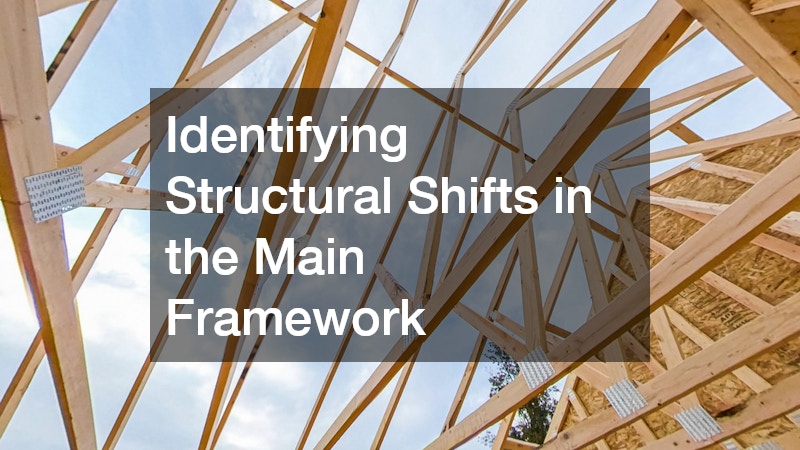
The most daunting discovery in any home inspection is evidence of a failing structure. In aging homes, the weight of the building combined with the natural movement of the earth can cause the frame to settle unevenly. If you walk through a room and feel like you are walking on a ship at sea, or if you notice that the gaps above the doors are diagonal rather than horizontal, you are likely looking at a house that has moved off its original axis.
When these interior shifts become significant, the solution often involves professional house leveling to restore the home to its proper orientation. This process is not just about aesthetics; it is about ensuring that the weight of the roof and upper floors is distributed correctly across the load-bearing walls. Failure to address a significant slope can lead to ruptured pipes and shattered windows as the frame continues to twist under the stress of gravity.
External signs are equally telling when it comes to the “bones” of the property. You should walk the entire perimeter of the house, looking closely at the area where the siding or brick meets the earth. Large gaps, bowing walls, or deep cracks that allow you to see into the crawlspace are indicators that the soil has subsided or expanded to a point that the home can no longer stay still.
In many cases, the only way to save the structure from eventual collapse is to invest in a comprehensive foundation repair. This might involve the installation of deep-driven piers or the injection of stabilizing resins into the soil to prevent further sinking. While this is one of the most expensive repairs a homeowner can face, it is the only way to ensure the long-term viability of the property and prevent the total loss of equity.
Assessing the Integrity of Underground Waste Systems
One of the most expensive “invisible” systems in an aging home is the waste management network. In homes built before the widespread adoption of modern municipal sewers, or in those situated on large rural lots, the system is entirely self-contained beneath the lawn. Because these systems are buried, they are frequently neglected until a total failure occurs, usually in the form of a backed-up drain or a flooded yard.
If you are looking at a home that is not on a city line, you must verify the age and condition of the septic installation. Older tanks made of steel can rust through, while those made of early concrete may crack due to tree root intrusion or soil shifts. Replacing a system that is no longer up to modern environmental codes can cost tens of thousands of dollars and may require significant changes to your landscaping.
The land itself plays a major role in how these underground systems function. If the property has poor drainage or if a previous owner added an outbuilding that changed the flow of rainwater, the waste system may be under constant stress from saturation. A soggy lawn during dry weather is a major red flag that the leach field has failed and the soil can no longer process the liquid waste.
To fix these drainage issues or to prepare the site for a new system, you will likely need to hire an excavation service. This professional work involves more than just digging a hole; it requires precise grading to ensure that water moves away from the house and that the soil layers are optimized for filtration. Without proper site preparation, even a brand-new waste system will fail prematurely, leading to a repeat of the entire expensive process.
Spotting Vulnerabilities in Below-Grade Masonry
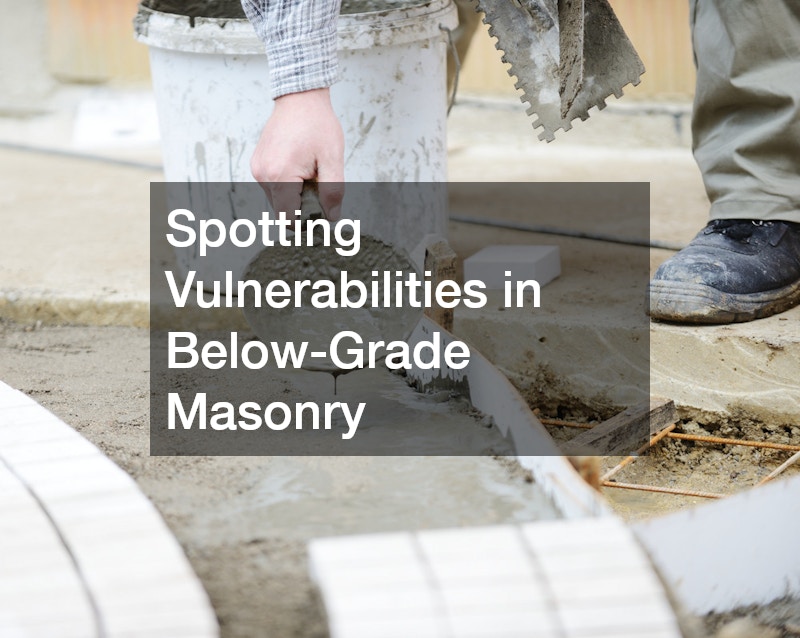
Basements in older homes were often intended as utility spaces rather than living areas, meaning they were rarely waterproofed to modern standards. Over forty or fifty years, the constant pressure of wet soil against the exterior walls can cause masonry units to weaken. If the basement smells musty or shows signs of salt deposits on the walls, moisture is actively migrating through the structure.
Many homes from the mid-20th century were built using cinder block walls for the basement and crawlspace. While these are strong, they are hollow, which means water can collect inside the blocks themselves, leading to hidden mold growth and a gradual weakening of the mortar joints. If you see horizontal cracks or a “bow” in the center of the wall, the lateral pressure from the outside earth is winning the battle.
The floor of the basement is another area that demands a close look. In very old homes, the floor might be a thin layer of “rat slab” concrete that was never intended to support weight or keep out moisture. If the floor is heaving, cracking, or turning to powder, it is a sign that the water table beneath the house is high and that the concrete is being destroyed from the bottom up.
When the basement floor or the footings are compromised, you will need to engage professional concrete services to rectify the damage. This might include breaking out the old floor to install a sump pump and a modern drainage tile system before pouring a new, reinforced slab. While this work is messy and labor-intensive, it is the only way to transform a damp, failing basement into a dry, usable space that adds value to the home.
Evaluating the Safety of Outdoor Structures and Decks
Outdoor living is a highlight of homeownership, but in an aging home, these areas can be some of the most dangerous. Wooden decks and porches have an average lifespan of about fifteen to twenty years, yet many people keep using them long after the structural fasteners have corroded. A deck collapse is a high-liability event that can be avoided with a thorough inspection of the wood’s “health.”
When assessing an existing deck, the first thing to check is the species and quality of the decking materials used. Older pressure-treated lumber often contains chemicals that are no longer used today, and if the wood hasn’t been sealed every few years, it will begin to split and rot from the inside out. Pay special attention to the “pick test,” where you stick a screwdriver into the wood; if it goes in easily and the wood feels soft, the fibers have broken down.
Beyond the boards you walk on, the frame underneath is what truly matters. Check the “ledger board” where the deck connects to the house. If there is no metal flashing to redirect water, the rim joist of the house itself may be rotting, which is a structural nightmare. Also, look at the posts that go into the ground; if they are buried in dirt rather than sitting on concrete piers, they are likely rotting at the base.
For many buyers, the discovery of a rotting wooden structure is the perfect excuse to upgrade to a composite deck. While the material costs for synthetic boards are higher than traditional wood, they offer a massive “hidden saving” in the form of zero maintenance. You won’t have to spend your weekends sanding, staining, or replacing individual rotten planks, and modern composites often come with warranties that span twenty-five years or more.
Reviewing the Condition of Hardscaped Surfaces

If the home has an old blacktop driveway, look for signs of “alligatoring,” which looks like the scales of a reptile. This pattern indicates that the asphalt has lost its flexibility and the sub-base has failed. To fix this, a simple patch won’t work; you will need to have a contractor perform new asphalt paving to ensure a smooth, durable surface that properly directs water toward the street.
In the backyard, the condition of the lounging areas is just as important. Older homes often have small, cracked areas that were poured as an afterthought. If these areas are sunken or sloped toward the house, they are actively contributing to basement dampness by trapping water against the foundation. A cracked patio can also hide the fact that the soil beneath it is eroding, potentially revealing a sinkhole or a collapsed old pipe.
A modern concrete patio is often the best solution for replacing these failing outdoor surfaces. By using reinforced steel and proper expansion joints, a professional installer can create a backyard space that withstands the freezing and thawing cycles that typically destroy older, thinner slabs. This not only improves the functionality of your yard but also provides a clean, dry perimeter around the house that helps protect the foundation from water intrusion.
Checklist for a Targeted Inspection
To help you manage the overwhelming amount of information during a walkthrough, use the following categorized checklist. These points focus on specific indicators of age-related wear that general inspectors might miss if they aren’t looking closely.
Structural and Foundation
- Check for “stair-step” cracks in exterior masonry or brickwork.
- Look for gaps between the tops of windows and the house siding.
- Open and close every door in the house to see if they swing shut or pop open on their own.
- Check the attic for “daylight” showing through the eaves, which might suggest a shifting roofline.
- Look at the basement walls for “efflorescence,” the white chalky powder that indicates water pressure.
Utilities and Site Infrastructure
- Ask for the most recent septic pumping record and the location of the tank.
- Check the age of the water heater and furnace; if they are over 12 years old, budget for replacement.
- Look at the electrical panel for “double-tapped” breakers or signs of overheating.
- Verify if the plumbing is copper, PVC, or outdated galvanized steel, which can rust from the inside.
- Inspect the yard for “wet spots” that persist even during dry summer weeks.
Exterior and Hardscaping
- Check the “pitch” of the driveway to ensure water isn’t flowing into the garage.
- Look for large trees whose roots are within 10 feet of the house foundation.
- Inspect the chimney for missing mortar or a leaning profile.
- Check the gutters for “granules” from the shingles, which indicate the roof is nearing the end of its life.
- Test the stability of all outdoor handrails and guardrails on porches and decks.
Navigating the Financial Impact of Repairs

Once you have identified these potential issues, the next step is prioritizing them based on “urgency” versus “desire.” A sagging floor is an urgent structural need, whereas a cracked driveway is a functional but less immediate concern. When negotiating with a seller, having specific, professional quotes for these hidden costs is your strongest leverage.
One of the best pieces of advice for an aging-home buyer is to keep a “legal and structural” reserve fund. This should be a separate pot of money—at least 3% of the home’s value—that is never touched for cosmetic upgrades like new kitchen counters. This fund is exclusively for the surprises that only an old house can provide, such as a sudden sewer line collapse or a foundation shift after a particularly wet spring.
For an older home, you don’t want a “handyman” for structural or infrastructure work. You need specialists who understand historical building techniques. When hiring for foundation or septic work, ask the contractors if they have worked on homes from that specific era. A mid-century home has different drainage requirements than a Victorian home, and hiring someone with the right “vintage” experience can save you from mistakes that lead to even more expensive repairs down the road.
One hidden cost often overlooked is the “unpermitted” work done by previous owners. In many aging homes, a “DIY” homeowner may have added a bathroom or a deck without filing the proper paperwork. When you go to do your own renovations, the city may require you to bring that old, unpermitted work up to current codes, which can be a massive financial shock. Always ask for the permit history during the due diligence period.
As you finalize your inspection and move toward closing, keep your focus on the fundamental health of the building. A house with a solid foundation, a dry basement, and a functional waste system can handle almost any other cosmetic flaw. Once the “bones” are safe, you can spend the coming years slowly restoring the beauty and character that drew you to the home in the first place. With patience and the right information, your aging home will stand strong for another century.