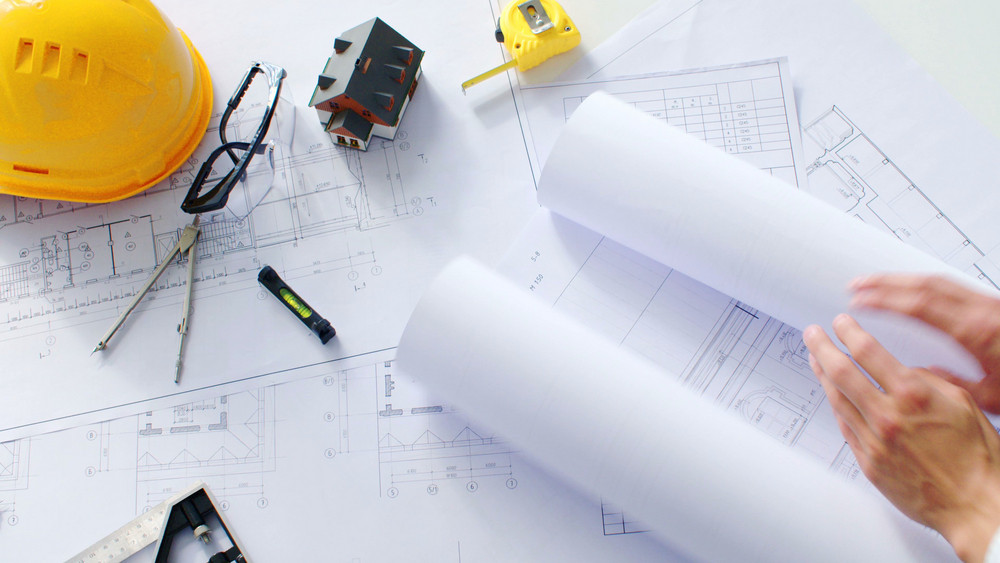
Planning a custom home is one of the most significant investments you will ever make. It requires careful coordination, clear communication, and strategic decision-making at every stage. From defining your goals and establishing a budget to selecting trusted professionals, each choice influences how well your home supports your lifestyle, functionality, and long-term satisfaction. A successful project balances design vision, structural integrity, energy efficiency, and practical usability, ensuring the finished home is both beautiful and functional.
This guide walks through the essential components of planning and executing a custom home project. You will gain clarity on how to assemble the right team, coordinate critical systems, and make design decisions that enhance comfort, efficiency, and property value. By approaching each phase methodically and considering both immediate needs and future flexibility, you can reduce stress, avoid costly mistakes, and create a home that truly reflects your priorities while standing the test of time.
Working with a Custom Home Builder

Selecting a custom home builder is one of the most important decisions in the planning process. This professional oversees the construction timeline, coordinates subcontractors, manages permits, and ensures quality control from start to finish. A strong builder relationship is built on transparency, detailed contracts, and realistic budgeting. Early conversations should define scope, architectural style, materials, and expectations for communication.
Whether you’re planning a whole home build or a home addition, aligning on project goals at the outset prevents confusion later. Clear design documentation and thorough site evaluations create a foundation for smoother construction. A well-organized builder will guide you through zoning requirements, inspections, and scheduling while helping you prioritize investments that deliver long-term value.
Beyond logistics, a builder plays a strategic advisory role. They can identify cost-saving opportunities, recommend durable materials, and anticipate structural challenges before they become expensive problems. Experienced professionals understand local building codes and regional climate considerations, which influence everything from foundation design to insulation performance. Their insight ensures your home is constructed for both comfort and longevity.
Effective collaboration also requires proactive communication. Regular progress meetings, transparent budget updates, and detailed change order procedures help maintain control over the project. Establishing expectations early regarding timelines and decision deadlines prevents delays that can disrupt the build schedule. When trust and organization are present, the construction process becomes far more manageable.
A reputable builder will also emphasize quality craftsmanship. They typically work with vetted subcontractors and maintain strict performance standards on-site. This attention to detail safeguards structural integrity and aesthetic consistency throughout the project. Investing time in selecting the right professional sets the tone for every stage that follows.
Planning Outdoor Living and Landscape Integration
A well-designed custom home extends beyond interior spaces to thoughtfully planned outdoor areas. Patios, decks, and gardens create functional zones for relaxation, entertainment, and recreation. Incorporating landscaping early in the design process ensures smooth transitions between indoor and outdoor living, while also enhancing curb appeal, property value, and overall aesthetic harmony. Thoughtful integration of walkways, retaining walls, and native vegetation can further strengthen the visual connection between the home and its surroundings.
Outdoor features should align with lifestyle needs. Spaces for dining, grilling, or lounging can be complemented by fire pits, pergolas, built-in seating, or shade structures. Integrating irrigation, drainage, and lighting systems during construction simplifies maintenance, improves usability throughout the year, and supports safety during nighttime activities. Including storage solutions for outdoor equipment and seasonal furnishings keeps spaces organized and functional.
Consideration of natural elements is key. Positioning outdoor areas to take advantage of sunlight, privacy, and scenic views increases enjoyment while optimizing energy efficiency and comfort. Native plants and sustainable landscaping reduce water usage, support local ecology, and require less ongoing maintenance. Strategic use of hardscaping, such as stone patios or pathways, can enhance durability while adding visual interest.
Durability and accessibility also play a role. Selecting materials resistant to weather, wear, and fading ensures longevity, while easy access to utilities, pathways, and seating enhances convenience for all household members. Planning outdoor living alongside the home’s design creates cohesive spaces that enrich daily life, foster social engagement, and elevate the overall home experience. Well-integrated outdoor areas provide both daily enjoyment and lasting value, making them an essential element of a thoughtfully designed custom home.
Designing Functional and Flexible Living Spaces

Modern custom homes benefit from layouts that adapt to changing needs over time. Open-concept designs encourage connectivity, while strategically placed walls and partitions preserve privacy where necessary. Flexible spaces such as bonus rooms, home offices, or multipurpose areas can serve as guest rooms, fitness studios, or hobby spaces as your lifestyle evolves. Planning for versatility ensures your home remains practical for years to come, even as family size, work-from-home needs, or entertainment preferences change. Incorporating flexible electrical and lighting plans also allows spaces to be repurposed easily.
Storage planning is equally important in functional design. Built-in shelving, walk-in closets, and concealed cabinetry reduce clutter and enhance organization. Thoughtful storage placement near entryways, kitchens, bathrooms, and utility areas streamlines daily routines and minimizes stress. Efficient layouts prevent overcrowding, make each room feel purposeful rather than improvised, and create dedicated spaces for commonly used items, improving overall workflow in the home.
Natural light and traffic flow also shape the overall experience of a home. Window placement should balance brightness with energy performance, while hallways and transitions between rooms should feel intuitive and comfortable. Clear sightlines, thoughtful ceiling heights, and smooth circulation patterns improve usability, create a sense of openness, and encourage social interaction without sacrificing structure or privacy.
Long-term flexibility should guide structural decisions as well. Reinforced framing for potential future modifications and accessible mechanical systems make updates easier down the road. Designing with adaptability in mind protects your investment, allows your home to evolve alongside your family’s needs, and accommodates potential additions, renovations, or new technologies in the future. Anticipating lifestyle changes ensures your home remains a comfortable and functional space for decades.
Coordinating Essential Home Systems
Behind the walls of every well-designed home is a network of systems that support daily living. Hiring an experienced electrical company ensures your wiring, panels, lighting, and outlets are installed safely and efficiently. Modern homes demand greater electrical capacity due to smart devices, appliances, and charging stations. Proper planning prevents overloads and allows for future upgrades without invasive retrofits.
Reliable plumbing services are equally critical. Water supply lines, drainage systems, and fixture installations must meet code requirements and operate efficiently. Strategic plumbing layout planning reduces the risk of leaks, pressure inconsistencies, and long-term maintenance issues. Investing in quality materials and expert installation supports both performance and water conservation.
Choosing a reputable plumbing company adds another layer of accountability. Professionals with strong credentials can recommend durable piping materials, efficient water heaters, and layouts that simplify future repairs. Clear documentation of plumbing schematics also helps homeowners understand how systems function and where shut-off points are located.
Climate control is another essential element of a comfortable home. Partnering with a qualified ac company ensures proper sizing and installation of heating and cooling equipment. Oversized or undersized systems can reduce efficiency and compromise indoor comfort. A carefully designed HVAC layout enhances airflow, improves air quality, and lowers energy costs over time.
Integrating these systems early in the planning phase prevents conflicts between trades. Electrical wiring, plumbing lines, and ductwork must coexist within walls and ceilings without interfering with structural components. Coordinated scheduling minimizes delays and protects the integrity of your design. When foundational systems are thoughtfully planned, the rest of the project unfolds more smoothly.
Future-proofing is also worth considering. Structured wiring for high-speed internet, energy-efficient fixtures, and provisions for renewable energy integration can increase long-term value. Building with adaptability in mind allows your home to evolve alongside technology and lifestyle changes. Strategic system planning delivers reliability and performance well beyond move-in day.
Selecting Durable Roofing Solutions

The roof protects every other investment within your home. Hiring a skilled residential roofer ensures proper installation techniques, ventilation, and material selection tailored to your climate. Roof structure, slope, and underlayment choices all influence durability and performance. Poor installation can lead to leaks, insulation damage, and structural deterioration.
A reputable roofing company provides guidance on material options such as asphalt shingles, metal roofing, or tile systems. Each option carries different lifespans, maintenance requirements, and aesthetic characteristics. Evaluating long-term durability alongside budget considerations helps homeowners make informed decisions. Energy-efficient roofing materials can also contribute to improved insulation and reduced cooling costs.
Ventilation is a critical but often overlooked component. Proper attic airflow prevents moisture buildup and extends the life of roofing materials. Balanced intake and exhaust systems reduce the risk of mold growth and structural decay. Professional assessment ensures these elements are installed correctly.
Weather resistance is another essential factor. Regions prone to heavy storms or temperature fluctuations require specialized materials and reinforcement. A carefully constructed roof enhances safety and protects interior finishes from costly water damage. Investing in quality installation now reduces the likelihood of premature repairs later.
Maintenance planning should also be part of your strategy. Routine inspections and minor repairs can extend the lifespan of your roof significantly. Establishing a relationship with experienced professionals simplifies future upkeep. A durable roofing system strengthens the overall resilience of your home.
Enhancing Interiors with Professional Finishes
Interior finishes transform structural construction into a personalized living environment. Professional interior painting plays a central role in defining the mood and character of each room. High-quality preparation, priming, and application techniques ensure smooth coverage and long-lasting color. Surface preparation is especially important in new builds to address drywall seams and minor imperfections.
Color selection influences perception of space and light. Neutral tones often provide flexibility, while bold accents add personality and visual interest. Paint sheen choices also affect durability and maintenance. High-traffic areas may benefit from more resilient finishes that resist scuffs and stains.
Beyond aesthetics, painting contributes to indoor air quality. Low-VOC or zero-VOC products reduce harmful emissions and support healthier living environments. Consulting professionals helps homeowners select finishes that align with both design preferences and health considerations.
Attention to detail separates average results from exceptional craftsmanship. Clean edges, even coverage, and careful protection of surrounding surfaces reflect professional standards. Proper curing time ensures optimal durability and appearance.
Interior finishes extend beyond walls. Trim, doors, and built-in cabinetry require consistent techniques to maintain visual cohesion. Investing in quality application enhances the overall impression of your home. Thoughtful finishing work reinforces the value of your design choices.
Choosing the Right Flooring Solutions

Flooring significantly influences comfort, acoustics, and visual continuity. Working with a skilled flooring contractor ensures accurate measurements, subfloor preparation, and proper installation techniques. Subfloor condition directly affects long-term performance, making preparation a critical first step. Moisture barriers and leveling compounds may be necessary before installation begins.
Material selection should align with lifestyle needs. Hardwood offers warmth and longevity, while luxury vinyl provides durability and water resistance. Tile performs well in moisture-prone areas, and carpet adds softness to bedrooms. Evaluating maintenance requirements and traffic patterns helps determine the most practical option.
Professional installation enhances structural stability and prevents issues such as warping or uneven surfaces. Proper spacing and expansion gaps allow materials to adapt to temperature changes. Skilled craftsmanship ensures seams remain discreet and transitions between rooms appear seamless.
Acoustic considerations also play a role. Certain materials reduce noise transmission between floors, contributing to a quieter home environment. Underlayment selection can improve both sound absorption and comfort underfoot.
Long-term maintenance planning protects your investment. Understanding cleaning methods and refinishing schedules extends the life of your floors. With careful selection and expert installation, flooring becomes a durable foundation that complements every other design element in your custom home.
Building a custom home requires thoughtful planning, expert coordination, and attention to detail at every stage. From structural decisions to finishing touches, each component contributes to how well your home functions, feels, and supports your lifestyle. Careful collaboration with experienced professionals ensures systems operate efficiently, materials perform as intended, and design goals remain aligned with your budget and long-term objectives. Planning ahead allows for smoother integration of modern technologies, energy-efficient features, and flexible spaces that can adapt as your needs evolve. By approaching the process strategically and prioritizing long-term value, you can create a home that reflects your vision while supporting comfort, durability, and daily living for years to come, providing a space that truly grows with you and your family.