A backyard overhaul can be one of the smartest investments you make in your home, but not every project delivers the same return. Some upgrades boost curb appeal and daily enjoyment without moving the needle on resale value, while others can add tens of thousands of dollars to what buyers are willing to pay. If you are planning a renovation and want your money to work as hard as possible, it helps to know which changes consistently pay off. This guide breaks down the backyard transformations that appraisers, agents, and buyers actually notice.
Outdoor Kitchen and Dining Upgrades
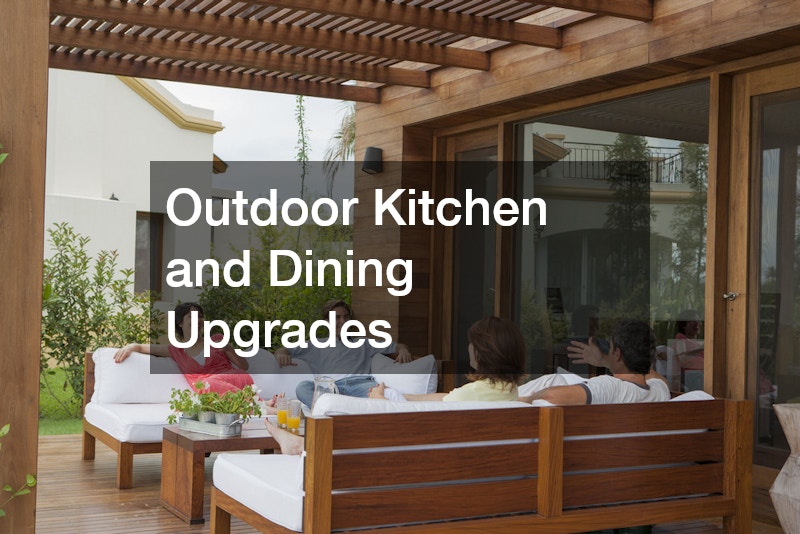
An outdoor kitchen has become one of the most requested features among home buyers, especially in warmer climates where families entertain outdoors for much of the year. According to industry cost-value reports, a well-designed outdoor kitchen can recoup 55% to 100% of its cost at resale, depending on materials and local demand. Adding a built-in grill, counter space, and a small refrigerator turns an ordinary patio into a functional extension of the home.
Material choices matter for both durability and buyer appeal. Stainless steel appliances, stone or concrete countertops, and weather-resistant cabinetry hold up against sun, rain, and temperature swings far better than indoor-grade materials, which can warp or rust within a few seasons outdoors. Budgeting an extra 10% to 15% for weatherproofing is a smart hedge against costly repairs down the road.
Because this space often mirrors the indoor layout, many homeowners plan it alongside a kitchen remodeling project so the finishes, cabinetry style, and color palette flow seamlessly from indoors to outdoors. This coordinated approach also simplifies plumbing and electrical work, since contractors can extend existing gas, water, and power lines in a single phase rather than opening up the yard twice.
Beyond cooking space, dining upgrades round out the experience. A pergola or retractable awning for shade, a built-in bar with seating for four to six guests, and durable outdoor lighting can turn the kitchen into a true gathering spot, adding both everyday livability and long-term resale value.
Buyers tend to respond well to outdoor kitchens because they signal a move-in-ready lifestyle upgrade rather than a project they will need to tackle themselves. Even a modest version with a grill island, small refrigerator, and bar seating can make a strong impression during showings, since it lets prospective owners picture themselves entertaining without lifting a finger.
Real estate agents often note that outdoor kitchens recoup a significant portion of their cost at resale, with many homeowners seeing returns in the 55% to 70% range depending on materials and market. A basic setup with a built-in grill, countertop space, and durable cabinetry can run $5,000 to $15,000, while high-end versions with pizza ovens, sinks, and stone finishes can climb past $30,000.
Material choices matter for both durability and buyer perception. Stainless steel appliances, weather-resistant cabinetry, and stone or concrete countertops hold up better against the elements than wood or particleboard, which can warp or rot within a few seasons.
Dining upgrades pair naturally with kitchen improvements. A pergola-covered dining area, built-in bench seating, or a fire table nearby extends the space’s usability into cooler months and gives buyers additional square footage they can mentally count as living space, even though it’s outdoors.
- Choose weather-resistant materials like stainless steel, stone veneer, or teak — they resist rust, cracking, and fading better than wood or particleboard
- Add shade with a pergola, retractable awning, or louvered roof system to keep the space usable during peak sun hours
- Include adequate electrical and gas lines (220V outlets, dedicated gas shutoffs) for future upgrades like built-in grills, fridges, or heaters
- Keep the layout open so it connects visually with the main yard, using low walls or bar seating instead of full enclosures
- Install durable, slip-resistant flooring such as porcelain pavers or natural stone to handle spills and foot traffic
- Budget for proper drainage and a level foundation, since uneven ground is one of the top causes of costly outdoor kitchen repairs
Hardscaping and Paved Surfaces
Hardscaping is one of the highest-return backyard investments because it adds usable square footage without the cost of a full addition. A well-designed patio creates a defined space for furniture, fire pits, and outdoor gatherings, and it holds up far better than grass or mulch under heavy foot traffic. Many homeowners choose patio pavers over poured concrete because they resist cracking, are easier to repair individually, and come in styles that mimic natural stone at a fraction of the cost.
The layout and material choice matter almost as much as the installation itself. A poorly planned patio can look disconnected from the rest of the yard, while a thoughtfully placed one becomes the anchor of the entire outdoor living space.
- Opt for permeable paver designs to help with drainage
- Match paver color and texture to your home’s exterior tone
- Consider curved edges for a softer, more organic look
- Budget for a paver sealant to extend the surface’s lifespan
Professional Landscape Design and Planning

A backyard transformation is only as strong as the plan behind it, which is why many homeowners bring in professionals before breaking ground. Landscape designers can map out sightlines, drainage, plant zones, and hardscape placement so the finished yard feels cohesive rather than pieced together over time. This upfront planning prevents costly mistakes, like planting trees too close to the foundation or creating awkward transitions between the patio and lawn.
Working with a designer also helps homeowners prioritize spending based on what actually increases value. They can identify which features buyers in your local market care about most, whether that is mature landscaping, defined garden beds, or low-maintenance ground cover.
- Ask for a phased plan if you cannot complete everything at once
- Request drought-tolerant plant options to reduce future water costs
- Discuss lighting placement during the design phase, not after installation
Tree Health and Yard Safety
Mature trees add tremendous value to a property, often more than homeowners realize, but only when they are healthy and well maintained. Studies on real estate valuations suggest that large, healthy trees can boost property value by 10 to 15 percent, while a single dead or dying specimen near the house can just as easily scare off a buyer during a walkthrough. A certified arborist or tree trimming service can assess canopy health, remove deadwood, and shape trees so they enhance rather than overwhelm the yard.
Beyond aesthetics, this kind of inspection catches problems that aren’t obvious from the ground, such as root rot, pest infestations, or included bark where branches meet the trunk at weak angles. Homeowners should schedule a professional evaluation every two to three years, or sooner if a tree has recently endured drought, heavy storms, or nearby construction work.
Regular trimming also reduces the risk of storm damage, which matters to both current homeowners and future buyers doing their due diligence. Overgrown limbs hanging near rooflines, power lines, or fences are a common red flag during home inspections and can even affect insurability in some regions. Keeping branches trimmed back at least six to ten feet from the house, and removing any tree flagged as hazardous, protects both the structure and the resale timeline.
Sometimes a tree is too damaged, diseased, or dangerously positioned to save, and that is where a tree removal company becomes necessary. Warning signs include large dead branches, a leaning trunk, exposed roots, or fungal growth at the base, all of which suggest structural weakness that a storm could turn into a real hazard.
Removing a hazardous tree near the house, driveway, or power lines protects the property and reduces the risk of costly damage or injury. It also removes a liability that home inspectors and buyers tend to notice, since a compromised tree looming over a roofline can be an immediate red flag during a sale.
Beyond safety, removal can actually make the lot more appealing by opening up sightlines, letting more natural light reach the yard, and freeing up usable space for patios, gardens, or play areas. A reputable tree removal company can also grind the stump and haul away debris, leaving the space ready for whatever upgrade comes next.
- Schedule tree inspections annually, especially before storm season, and consider a certified arborist review every 2-3 years for older or larger trees
- Watch for signs of disease like fungal growth, bark splitting, discolored leaves, or dead branches in the canopy
- Prune dead or overhanging limbs before winter storms to reduce the risk of property damage
- Remove stumps promptly to avoid pest infestations like termites and carpenter ants, plus tripping hazards
- Check tree root systems for signs of heaving near foundations, driveways, or sidewalks
- Keep mature trees at least 15-20 feet from structures to prevent future root or storm damage
Pool and Spa Additions

A pool can be a major value driver in the right climate and neighborhood, particularly when it is designed to match the scale and style of the home. Working with a custom pool company allows homeowners to design a shape, depth, and finish that suits their specific yard rather than settling for a generic template. Features like tanning ledges, integrated spas, and natural stone coping have become popular because they make the pool feel like a resort amenity rather than a basic backyard fixture.
It is worth noting that pools do not universally increase value everywhere, so it helps to research what buyers in your specific area expect. In family-friendly warm-climate neighborhoods, a well-built pool is often seen as a major asset rather than a liability.
- Choose energy-efficient pumps and heaters to lower operating costs
- Add a safety fence or cover to meet local code requirements
- Consider salt-water systems for lower long-term maintenance
Roofing Condition and Curb Appeal
While it is not technically part of the backyard, the condition of your roof directly affects how buyers perceive the rest of your outdoor renovation. A stunning patio and landscaping package can be undercut by a roof that looks worn, stained, or outdated when viewed from the backyard. Bringing in local roofers to inspect and repair the roofline, gutters, and fascia ensures the whole property looks intentional and well cared for from every angle.
This is especially important for homes with large windows, decks, or elevated patios where the roofline is highly visible from the yard. A cohesive exterior, from the roof down to the landscaping, tells buyers the home has been maintained as a whole rather than in disconnected pieces.
- Check for missing or curling shingles visible from the backyard
- Clean gutters regularly to prevent water damage near patio areas
- Match roof accent colors with outdoor structures for a unified look
Wildlife and Pest Management
An attractive backyard can unfortunately attract more than just admiring buyers, especially if food gardens, water features, or wooded areas are nearby. Raccoons, squirrels, and other animals can cause real damage to landscaping, irrigation lines, and even structural elements like decking and sheds. Bringing in wildlife control before listing a home or hosting showings helps ensure the yard looks pristine and that no unwelcome surprises show up during an inspection.
Preventing wildlife issues is generally far cheaper than repairing the damage they cause, particularly to newly installed hardscaping or garden beds. A few proactive measures can protect your investment without requiring constant maintenance.
- Seal gaps under decks, sheds, and porches
- Secure trash and compost bins with animal-proof lids
- Remove standing water that attracts insects and small animals
Barn and Stable Additions for Larger Properties
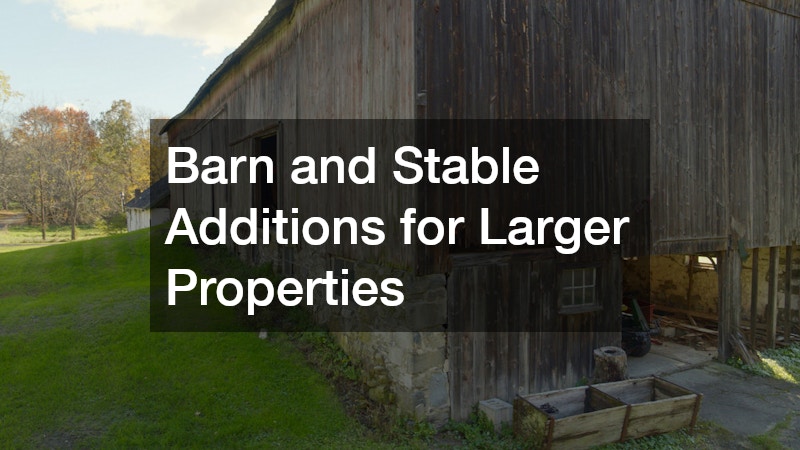
For homeowners on rural or semi-rural lots, equestrian amenities can significantly boost property value among a specific and motivated buyer pool. Well-constructed horse barns and stable buildings signal that a property is truly equipped for animal ownership, not just zoned for it. Buyers interested in equestrian lifestyles often pay a premium for properties that already have functional, well-maintained barns rather than needing to build from scratch.
The quality of construction matters just as much as the presence of the structure itself. A barn with proper ventilation, drainage, and stall sizing will hold its value far better than a hastily built structure that requires immediate repairs.
- Ensure adequate ventilation to prevent moisture and mold buildup
- Include separate storage for feed and equipment
- Plan fencing and paddock layout alongside the barn design
Garage and Storage Improvements
Backyard transformations often extend to garages and outbuildings, especially when homeowners are converting space for storage, workshops, or additional parking. Upgrading an old, dented, or noisy garage door is one of the simplest ways to boost both function and curb appeal in this area. Many garage door companies now offer insulated, quiet-operating models with modern designs that complement updated landscaping and exterior finishes.
A new garage door also improves energy efficiency and security, two factors that matter to nearly every buyer regardless of their interest in outdoor living spaces. Pairing this upgrade with backyard improvements creates a more complete, polished impression of the whole property.
- Choose insulated doors for better temperature control
- Look for smart openers with app-based monitoring
- Match door style and color to your home’s overall exterior theme
The most valuable backyard transformations are the ones that balance personal enjoyment with broad buyer appeal, from durable hardscaping and healthy trees to well-planned structures and updated exteriors. Rather than tackling every upgrade at once, prioritize the projects that address safety, function, and curb appeal first, then layer in features like outdoor kitchens or pools as budget allows. Take time to research local buyer preferences and consult professionals where needed so your investment is guided by expertise rather than guesswork. With a clear plan in place, your backyard can become both a space you love and a genuine asset when it comes time to sell.