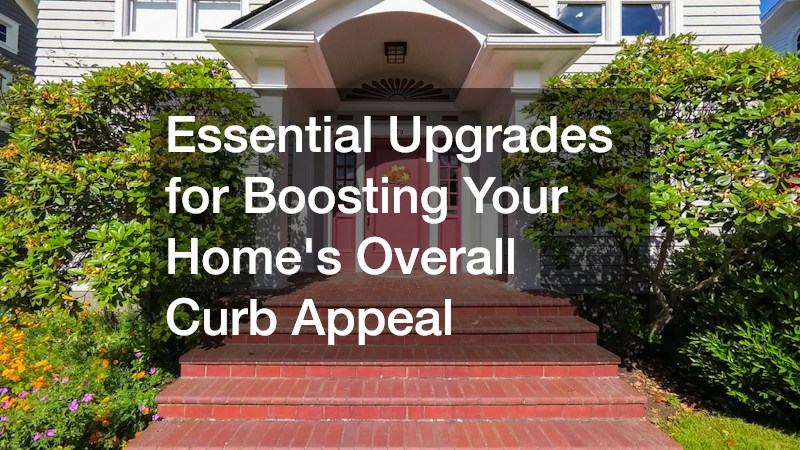
First impressions are formed in a matter of seconds. When someone pulls up to your driveway, the exterior of your house immediately tells a story about how well the entire property is maintained. True curb appeal goes far deeper than a quick coat of front door paint or a fresh layer of mulch. It is the harmonious blend of structural integrity, smart utility management, boundary precision, and intentional architectural styling.
Investing in your home’s exterior delivers a double return. Beyond the daily satisfaction of arriving at a beautiful property, strategic exterior upgrades yield some of the highest financial returns in the residential real estate market. However, achieving maximum visual impact requires a thoughtful approach. You must address underlying structural conditions and site mechanics before applying cosmetic finishes. This comprehensive guide walks you through the essential exterior and infrastructure upgrades that elevate your property from ordinary to extraordinary.
Strategic Property Planning and Groundwork
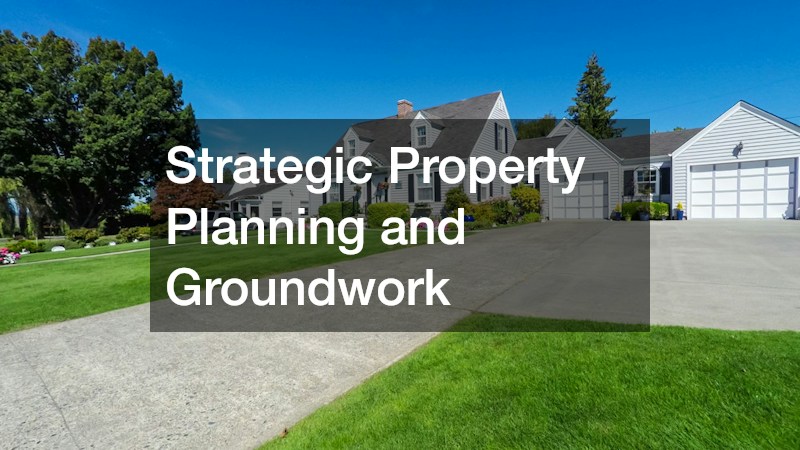
Before undertaking any significant visual project like landscaping or structural additions, it is paramount to develop a thorough understanding of your property, which encompasses legal limitations, neighborhood covenants, and topographical characteristics. Many homeowners hastily commence their projects by planting trees or constructing buildings, but by doing so without proper preparation, they risk encountering substantial and costly reworks. These often arise from unforeseen complications such as property line disputes or drainage issues that could have been mitigated with prior planning.
A critical initial action in executing any substantial exterior renovation is to confirm the exact location of your property’s boundary lines. This step is essential because all subsequent elements, such as fences, the configuration of perimeter gardens, and expansions to driveways, rely heavily on these measurements being accurate and legally verified.
- Ensure that every new structure you plan meets legal setback requirements by meticulously locating and confirming previously discovered buried property pins. This accuracy helps you avoid costly errors in placement.
- Proactively avert potential civil disputes with neighbors by ensuring that all permanent fixtures, like garden walls or privacy fences, are built with respect to established shared boundary lines.
- Provide crucial spatial data necessary for obtaining municipal building permits and adhering to zoning laws. Accurate surveys facilitate smoother approval processes and ensure compliance with local regulations.
- Identify any pre-existing legal easements on your property that might prevent you from placing hardscape features or structural elements in certain areas, thus avoiding legal complications post-construction.
Collaboration with experienced and licensed land surveyors and plumbers secures your investment in hardscaping and structural boundaries against legal disputes and ensures they are properly aligned with legal regulations. Their expert knowledge provides peace of mind that your developments are done right from the outset.
With boundary lines clearly established, the next phase involves addressing and adjusting the contours and stability of your terrain. Properties with sloping plots or uneven grading present challenges, as they can detract from the home’s curb appeal and even channel rainwater toward the building’s base, potentially causing foundational damage.
Recontouring sloped areas by transforming them into functional terraces offers both aesthetic and practical benefits. Not only do these terraces convert otherwise unusable hillsides into striking architectural features, but they also allow for creativity in landscaping design. Moreover, installing retaining walls provides the necessary support to level steep plots, create multi-tiered flower beds, and organize structured pathways. In addition to their aesthetic value, these physical structures play a critical role in managing erosion, controlling groundwater runoff, and preventing soil displacement that could damage your lawn or landscape during heavy rainfall.
Enhancing Softscapes and Outdoor Living Areas
Once you have achieved a stable and well-defined layout for your grounds, it’s time to turn your attention to the more organic aspects of your property. These elements are crucial in enhancing the visual appeal of your home. The primary objective in designing plant arrangements for your front yard should be to beautifully frame your house rather than obscure it from view. A successful natural landscape design skillfully integrates scale, texture, and a variety of seasonal colors to naturally direct the observer’s gaze towards your front entrance, creating an inviting and aesthetically pleasing approach.
- Choose native trees and shrubs that are ideally suited to thrive in your local climate. This selection helps ensure that your garden flourishes without the need for excessive artificial irrigation systems, making the upkeep more sustainable and environmentally friendly.
- Arrange plantings in layers based on their height. Strategically place taller plant specimens near the corners of the property to soften the sharp, hard edges of the building structure, while using groundcover plants to define pathways, creating a seamless flow throughout the landscape.
- Incorporate evergreen foliage into the landscape design to maintain a vibrant and lively appearance throughout the year, even during the colder winter months when many plants lose their leaves.
- Enhance and bring attention to key focal points of your property, such as porch steps and charming archways, by using subtle, low-voltage accent lighting. This not only highlights these features but also adds an element of safety and ambiance during the evening hours.
By employing a thoughtful and dynamic landscaping strategy, you create a harmonious and welcoming transition from the public street to the private sanctuary of your home, enveloping your space in beauty and tranquility.
Underneath all the vibrant greenery, there exists a crucial network of infrastructure that supports the health and beauty of your landscape. The aesthetic appeal of beautiful foliage can quickly diminish if proper drainage is not maintained, leading to water stagnation on your lawn, or if hidden pipe leaks cause damage to your hardscaping structures.
Revitalizing the Structural Envelope

The primary architectural elements of your home—the roof line and windows—form the structural frame of your curb appeal. Even the most elaborate garden layout cannot offset a sagging roof or weathered window frames.
Your roof covers up to 40% of your home’s visible exterior, making it one of the most prominent visual components of your property. Faded shingles, curling edges, and mismatched repair patches immediately signal neglect to visitors and potential buyers.
- Choose high-dimensional architectural shingles or standing-seam metal panels that add texture and depth.
- Coordinate roof colors with your siding, masonry, and accent trim for a cohesive palette.
- Upgrade fascia boards, soffits, and gutters to crisp, clean materials that double as modern trim work.
- Ensure proper ridge ventilation to prevent moisture buildup that can prematurely age your roof deck.
Partnering with reputable roofing contractors guarantees that your new installation looks sharp and provides long-term weatherproofing.
Windows serve as the “eyes” of your house. Old, single-pane units with discolored vinyl frames or peeling wood sashes detract from your facade and allow conditioned air to escape.
Executing a full window replacement revitalizes your facade with clean lines and modern proportions. Moving from outdated frames to modern grid styles—such as sleek black aluminum or vinyl designs—instantly updates the architecture of older homes. Furthermore, modern low-E glass eliminates the unsightly reflection of interior condensation, ensuring your windows remain crystal clear from the street.
Modernizing Main Architectural Focal Points
Certain structural elements dominate the front view of a house due to their size. Your garage door, for instance, often occupies up to a third of the front elevation. Giving these large surface areas proper design attention dramatically elevates your overall street presence.
Replacing a dented, basic garage door with a custom architectural model provides one of the highest returns on investment of any exterior home project.
- Select carriage-house styles for traditional homes to add classic charm and historic warmth.
- Opt for full-view glass and aluminum panels on contemporary homes to create a sleek aesthetic.
- Choose factory-finished colors that contrast nicely with your main siding rather than blending in completely.
- Add decorative hardware, such as iron handles and faux hinges, to introduce subtle texture.
A professional garage door installation ensures precise balance, quiet operation, and tight weather seals around the entire perimeter.
While updated exterior elements improve physical appearance, insulation performance behind those surfaces keeps your home operating smoothly. Drafts around garage frames and uninsulated exterior walls cause thermal bridging, leading to uneven interior temperatures and higher energy costs.
Applying modern spray foam insulations behind exterior trim, along rim joists, and inside garage wall cavities eliminates air leakage. By filling every crevice and gap, this high-performance thermal barrier stabilizes indoor comfort and prevents cold air from sweeping across attached living spaces. It also reinforces exterior wall assemblies, reducing sound transmission from street traffic.
Eliminating Concealed Blights and Utility Hazards
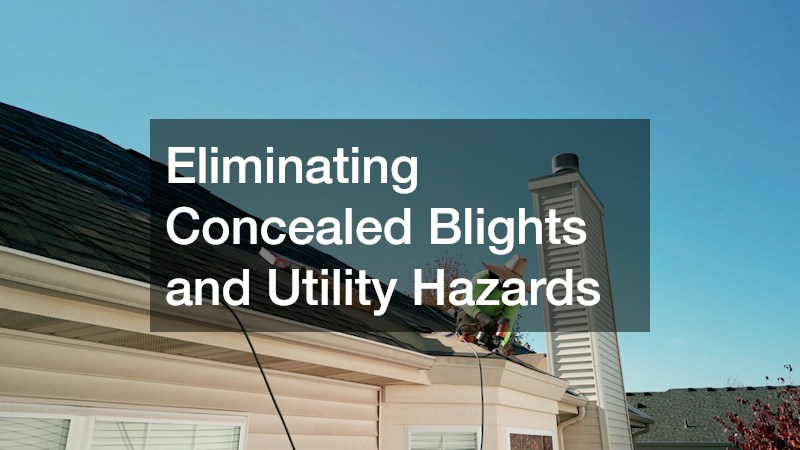
True curb appeal requires removing visual distractions and hidden health hazards that compromise your home’s exterior finish. Even a stunning home loses its charm if dark streaks, organic growth, or exposed mechanical utilities clutter the view.
Moisture retention on shaded north-facing walls, beneath dense tree canopies, or along damp porch foundations often leads to organic growth. Black streaks on siding and green haze on stone foundations make a house look aged and uncared for.
- Identify the underlying moisture sources, such as misdirected downspouts or leaking gutters, that encourage growth.
- Avoid high-pressure washing on soft materials like wood siding and asphalt shingles, which can damage surfaces.
- Apply specialized antimicrobial cleaning solutions that kill organic spores at the root level without stripping paint.
- Trim back overhanging foliage to allow natural sunlight and airflow to dry out damp exterior surfaces.
Executing thorough mold removal restores your siding, brickwork, and foundation walls to their original, pristine condition while preserving the life of your building materials.
Mechanical equipment is necessary for comfortable living, but exposed tanks, rusty meters, and tangled piping can ruin an otherwise refined front yard. Strategically enclosing or modernizing these utility elements keeps your exterior looking polished.
Water heating equipment often requires venting and supply lines that exit through exterior walls. Older units require bulky exhaust stacks and large clearance zones that can disrupt clean siding lines. Upgrading to modern, compact water heaters allows you to consolidate utility layouts, move bulky tanks into designated interior closets, and streamline exterior wall penetrations. Pair these equipment updates with custom wooden privacy screens or strategic shrub groupings to completely hide utility zones from street view.
Prioritizing Your Upgrades for Maximum Impact
Tackling a complete exterior renovation all at once can feel overwhelming. To manage your budget effectively while making steady progress, organize your projects into logical phases based on structural necessity, site conditions, and visual value.
Step 1: Secure the Infrastructure
Start with foundational work that affects property boundaries and soil stability. Complete your site surveys and install necessary retention structures first. Taking care of heavy earthmoving and underground utility work early prevents you from damaging newly planted lawns or fresh paving later on.
Step 2: Seal the Building Envelope
Focus on the major structural surfaces of your house next. Complete roof overhauls, window upgrades, and wall insulation projects before moving to delicate exterior finishes. This sequence ensures your home stays dry and protected throughout the rest of your renovation work.
Step 3: Upgrade Large Architectural Elements
Replace primary focal points like garage doors and restore your siding surfaces. Removing stains and updating high-visibility features yields an immediate, dramatic change in street appearance.
Step 4: Add Softscapes and Finishes
Finish your project with soft landscaping, decorative lighting, and custom utility screens. These final touches pull all your structural improvements together into a cohesive, attractive front elevation.
Long-Term Maintenance for Lasting Appeal
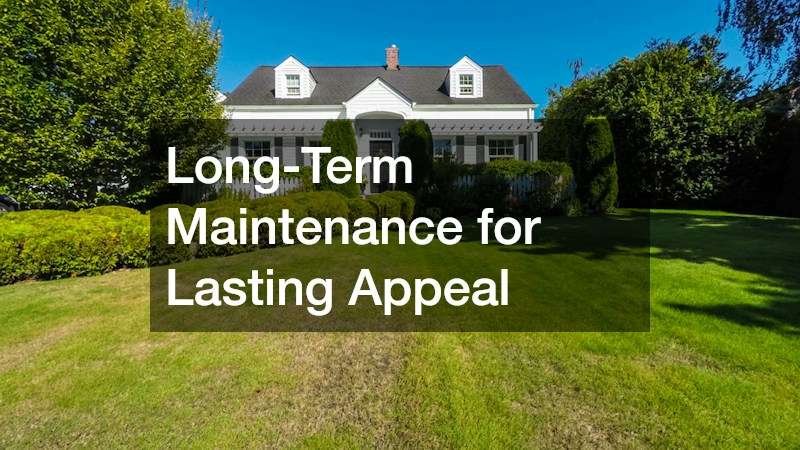
Achieving great curb appeal is an ongoing commitment. Seasonal weather, ambient dust, and natural plant growth require regular maintenance to keep your home looking its best year after year.
- Spring Maintenance: Inspect roof lines for winter storm damage, wash away road salt and winter road grime from foundation walls, and clear debris from drainage channels.
- Summer Care: Keep lawns neatly edged along walkways, prune fast-growing shrubs away from window frames, and monitor outdoor irrigation systems for hidden leaks.
- Autumn Cleanup: Remove fallen leaves from lawn areas and gutter systems promptly to prevent rot and unsightly staining on hardscapes.
- Winter Protection: Shut off and drain exterior water lines before the first freeze, sweep snow off decorative plantings, and use non-corrosive de-icers on concrete driveways.
Establishing a consistent maintenance routine protects the capital you have invested in your exterior upgrades. A clean, well-cared-for exterior reflects pride of ownership and ensures your home remains a standout property in your neighborhood for years to come.