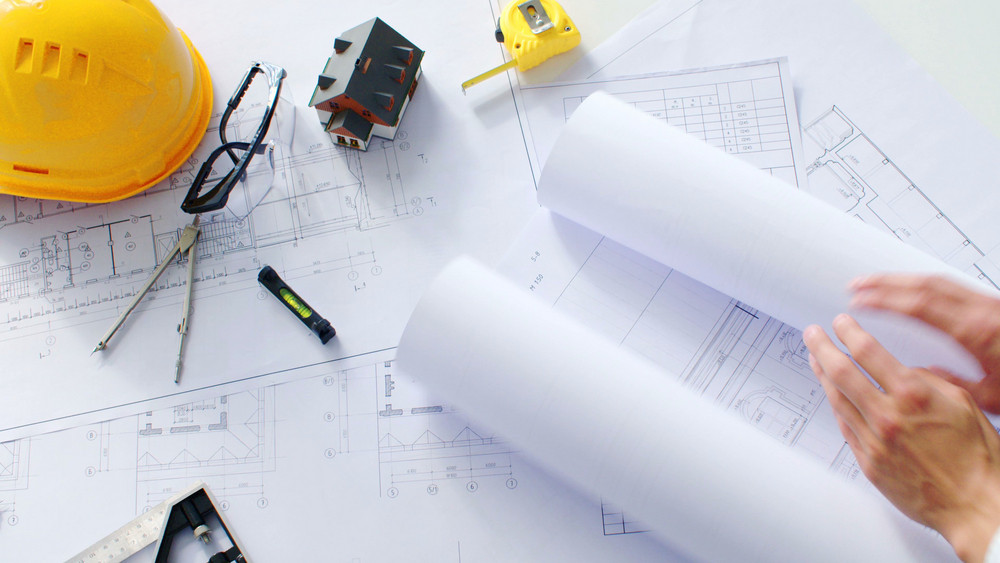
Turning your current house into your absolute dream home is an incredibly exciting journey. Whether you are looking out at an overgrown backyard and imagining a beautiful patio, or standing in an outdated kitchen wishing for modern countertops, the possibilities feel endless. However, for many homeowners, the excitement of a home makeover can quickly turn into major stress when the realities of costs set in. It is very common to hear horror stories about renovations running months behind schedule and thousands of dollars over budget.
The secret to a successful, stress-free home transformation does not lie in having a bottomless bank account. Instead, it relies on having a clear, organized, and realistic financial strategy. Balancing interior updates with exterior renovations requires a careful look at how you allocate your hard-earned money. By planning your finances carefully, prioritizing projects by their return on investment, and hiring the right professionals at the right time, you can protect your wallet while successfully executing your vision. This comprehensive guide will walk you through the entire budgeting process, from the initial planning stages to the final finishing touches.
Assess Your Savings and Set a Hard Financial Ceiling

Before you ever look at a paint swatch, flip through a design magazine, or call a local contractor, you need to have an honest conversation with your bank account. It is easy to fall in love with high-end designs, but starting a project without a strict financial limit is a recipe for disaster. You need to determine exactly how much money you can afford to spend without putting your financial security at risk.
To map out your big-picture financial limits, follow these essential steps:
- Calculate your liquid savings: Look at how much cash you can realistically pull from your savings accounts without draining your emergency fund. Never touch the money you need for basic monthly living expenses or unexpected medical emergencies.
- Explore financing options: If you are not paying entirely in cash, research home equity lines of credit, home equity loans, or specialized personal loans. Compare interest rates carefully and understand what your new monthly payment will look like.
- Separate needs from wants: Create a master list of every single upgrade you desire. Divide this list into “Must-Haves” (such as fixing a leaky roof or updating dangerous electrical wiring) and “Nice-to-Haves” (such as installing a wine cooler or buying designer light fixtures).
Once you have a total spending number, subtract 15% to 20% immediately and set it aside in a separate contingency fund. This money is your safety net. When you open up old walls or dig into the ground, you are almost guaranteed to find hidden surprises, such as rotted wood, outdated plumbing, or unpermitted work from previous owners. If your total budget is $50,000, plan your actual project around $40,000, leaving $10,000 specifically for those unavoidable hidden issues.
Start from the Outside to Protect Your Long-Term Investment
When you are ready to begin allocating your funds, it is best to work from the outside in. Many homeowners make the mistake of spending their entire budget on a gorgeous interior remodel, only to have a storm or shifting ground damage their new investment a year later. Preparing the exterior of your property sets a solid foundation for everything else you want to accomplish.
If your property has uneven terrain, old structures, or massive trees that threaten your home’s foundation, you must take care of the land first. It is wise to budget early for a professional lot clearing service to remove large rocks, dead trees, and problematic brush. Clearing the land properly ensures that future construction projects have a clean, stable environment and will not face delays from shifting soil or falling branches.
After the ground is prepared, you can shift your financial focus toward security, privacy, and boundaries. Allocating money for a professional fence installation is an excellent way to define your property lines, keep pets and children safe, and boost your home’s curb appeal. The cost of this project will vary greatly depending on whether you choose wood, vinyl, wrought iron, or chain-link materials, so be sure to get multiple quotes that include both the raw materials and the cost of labor.
Trust the Experts to Manage Heavy Construction Safety

If your renovation plans involve changing the actual footprint of your house, your budget needs to reflect the cost of high-level architectural and structural expertise. Moving walls, adding rooms, or building a second story are not tasks that can be done cheaply or without proper oversight. These major structural changes require professional management to ensure your home remains safe and complies with local building codes.
For large-scale expansions, you will need to allocate a significant portion of your funds toward a specialized home addition builder. Expanding a home’s footprint involves:
- Pouring a new concrete foundation.
- Framing out new exterior and interior walls.
- Extending your existing heating, cooling, and electrical systems into the new space.
- Ensuring the new roofline ties perfectly into your old roof.
Because these projects have so many moving pieces, trying to manage all the different workers yourself can lead to massive communication mistakes and costly delays. This is why budgeting for a licensed general contractor is one of the smartest financial decisions you can make. While a manager charges a percentage of the total project cost, their ability to hire reliable subcontractors, secure building permits, and keep the timeline moving forward will save you thousands of dollars in the long run.
Invest in Shielding Your Home from Element Damage
Once your structural frame is in place, your next budgeting priority must be weatherproofing. The exterior shell of your home is what keeps the climate controlled and protects your interior spaces from water damage, wind, and pests. Spending money on high-quality exterior upgrades will also dramatically lower your monthly utility bills, saving you money for years to come.
Your roof is the single most important protective barrier on your house. When reviewing your options, consider the long-term financial benefits of a metal roof installation. While a metal roof can cost significantly more upfront than traditional asphalt shingles, it can last two to three times longer, reflects solar heat to lower cooling costs, and often qualifies you for discounts on your homeowners’ insurance.
To handle the rest of your home’s outer shell, you should look into hiring experienced exterior remodelers. These professionals specialize in installing modern siding, energy-efficient windows, and durable exterior doors. When budgeting for these services, ask for detailed estimates that break down the cost per square foot, and always look for materials that come with long-term weather warranties.
Focus Your Inside Budget on the Rooms That Matter Most

With the exterior fully protected, you can finally bring your budget indoors. When it comes to interior renovations, not all rooms are created equal. If you want to get the highest return on your investment and maximize your daily comfort, you should focus your primary funds on the kitchen and the bathrooms. These are the spaces that buyers look at most closely, and they are the rooms where you spend the vast majority of your active time.
Kitchen renovations are notoriously expensive because they combine cabinetry, countertops, appliances, plumbing, and electrical work all in one space. To keep these costs manageable, it is best to consult with professional kitchen remodeling contractors early in the design phase. To save money, try to keep your sinks, stoves, and dishwashers in their original locations; moving gas lines and major plumbing drains can easily add thousands of dollars to your final bill.
Similarly, updating your bathrooms requires careful financial planning. Investing in professional bathroom remodeling services ensures that your showers, tubs, and floors are perfectly waterproofed. When budgeting for a bathroom, prioritize high-quality ventilation fans and moisture-resistant drywall, as cutting corners on these invisible elements can lead to expensive mold issues down the road.
Choose Durable Surfaces and Elegant Architectural Accents
After the layout of your kitchen and bathrooms is finalized, you can allocate the remainder of your interior budget toward the finishes that tie the entire design together. The surfaces you walk on and the trim work on your walls are what give a home its unique character and luxury feel.
Flooring takes an immense amount of daily abuse, so it is worth investing in materials that are built to last. Budgeting for traditional hardwood flooring adds timeless beauty and significant resale value to any property. While it requires a larger initial investment than carpet or laminate, real wood can be sanded and refinished multiple times over the decades, meaning you will likely never have to replace it.
To complement your new floors, you can add elevated visual appeal to your walls and ceilings by budgeting for custom moulding. This includes architectural elements such as:
- Crown moulding where the walls meet the ceiling.
- Thick, substantial baseboards along the floor.
- Elegant wainscoting or chair rails in dining rooms and entryways.
- Decorative trim around windows and doorways.
These finishing details might seem minor, but they provide a high-end, custom-built appearance that bridges the gap between a standard renovation and a truly luxurious home makeover.
Keep Your Project on Schedule to Prevent Costly Delays

The final aspect of budgeting has less to do with the materials you choose and more to do with how you manage the clock. In the world of home improvement, time is money. Every day that a project drags past its deadline is a day that can cost you extra fees in labor, equipment rentals, and temporary living arrangements.
To protect your budget from timeline inflation, practice these active management habits:
- Establish milestones: Before any work begins, make sure your contracts include specific start and end dates for different phases of the project.
- Limit change orders: A change order happens when you alter your mind about a design or material choice after construction has already started. Change orders can completely ruin a budget, as they often require tearing out finished work and ordering new materials at a premium price.
- Plan for your daily life: If your kitchen or only bathroom is going to be completely out of commission for three weeks, you need to budget for the cost of eating out, ordering takeout, or potentially staying in a budget-friendly hotel for a few days.
- Track variable labor rates: Be aware that specialist labor can fluctuate based on the season. Bidding on your project during the slower winter months can often net you lower contractor rates compared to peak spring and summer seasons.
- Review material delivery schedules: Factor in shipping costs and delay penalties for custom materials. If a premium vanity or rare tile shipment is delayed by three weeks, you need to know if your crew will charge you to halt and restart their work.
By staying organized, keeping open communication lines with your build team, and locking in your design choices before the first hammer swings, you can ensure that your home makeover finishes on time and within your target price range.
Successfully updating both the interior and exterior of your home is a major achievement that can drastically improve your daily life and secure your financial future. The key to surviving the process with your sanity and your savings intact is thorough, proactive planning. By establishing a strict financial ceiling right at the start, leaving room for an emergency cushion, and tackling structural and exterior needs before moving inside, you create a logical blueprint for success. Remember that a great home makeover does not require cutting corners; it simply requires making informed choices about where every dollar goes. With a solid budget in hand and the right team of professionals by your side, you can confidently turn your home improvement dreams into a beautiful, lasting reality.
Transform Your Home Today!
Are you ready to turn your house into the home of your dreams? Don’t wait any longer! Start planning your home improvement projects with a solid financial strategy in place. Contact us today for expert advice on budgeting, planning, and executing your renovations efficiently. Let’s work together to create a space you’ll love coming home to!